


There was a gap that refused to close.
Indian handcraft was everywhere, and almost entirely in one form: occasion wear, ethnic wear, garments coded for ceremonies and celebrations. The craft was extraordinary. The context had become a cage.
Contemporary clothing existed too. Modern silhouettes that could go anywhere, built for real wardrobes and real weeks. But they were emotionally thin. Well-made, globally relevant, and without a story. No reason to reach for one over another.
The Founding Belief:
Indian craft does not inherently belong to ethnic categories. It belongs wherever people live their everyday modern lives.

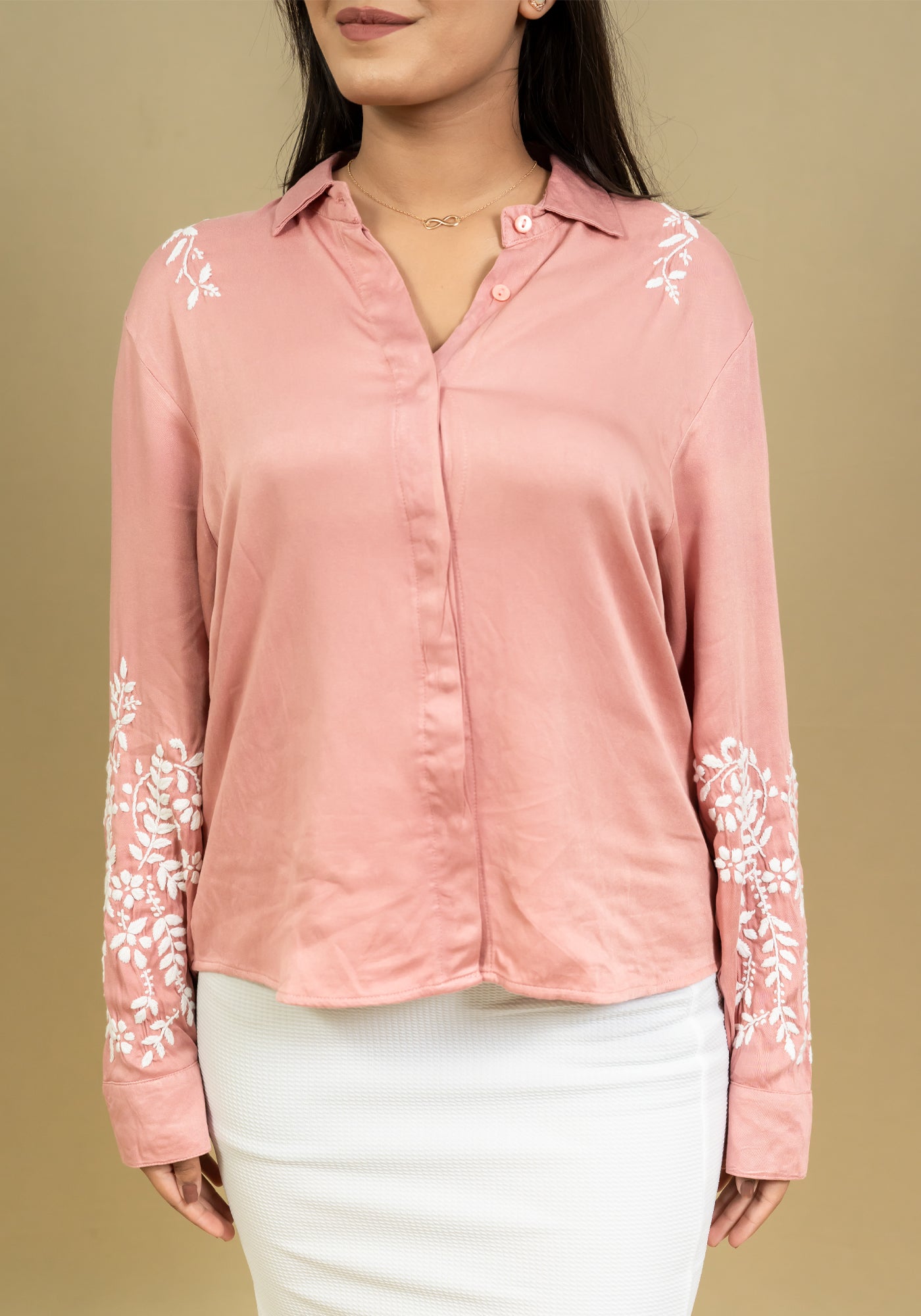
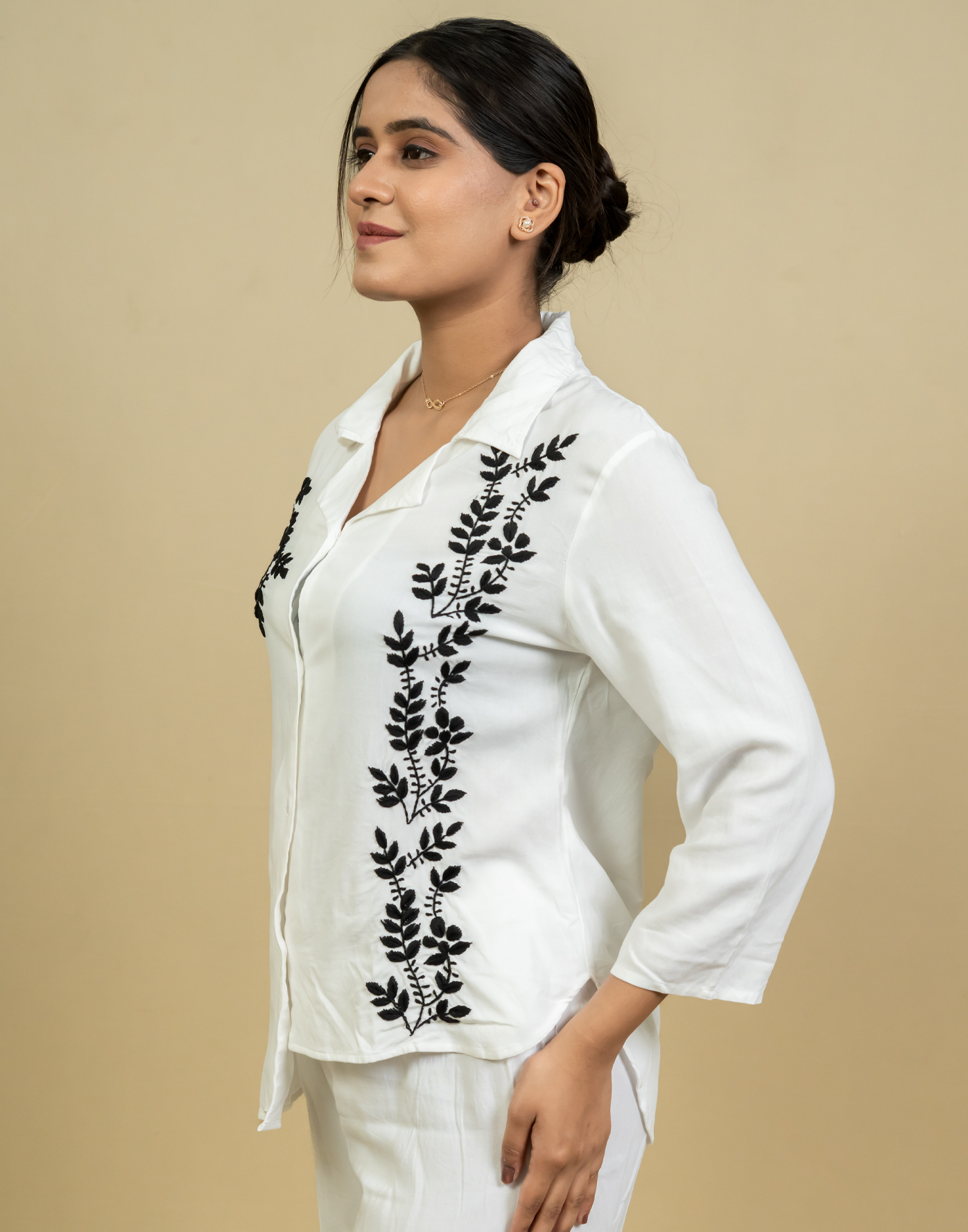
That belief is what we make. Contemporary silhouettes — shirts, dresses, trousers, coords — beginning with Lucknawi Chikankari, placed with architectural intention. Not all-over. Not in the layouts of traditional Indian garments. At the shoulder, the cuff, the edge — where embroidery adds something to the structure of the garment, not just its surface. The fabric is chosen for how it feels before how it photographs. The silhouette is designed to go wherever you go.

Zina
Root Dialect — Arabic
Adornment, beauty — not added on, but built into the garment itself, so craft becomes part of how you dress, not set apart from it.
Avra
Root Dialect — Ancient Greek
Breeze — the quiet movement that carries craft from tradition into everyday life.
For the ones who won’t choose between craft and contemporary.

Easy 3-day returns
Hassle-free returns within 3 days

Shipping across India
Free on orders above ₹2,000

Cash on delivery
COD available — additional ₹149 charged

Hand Embroidered
Every piece made with care